
Hunting safaris with a flair of the Golden Era
History
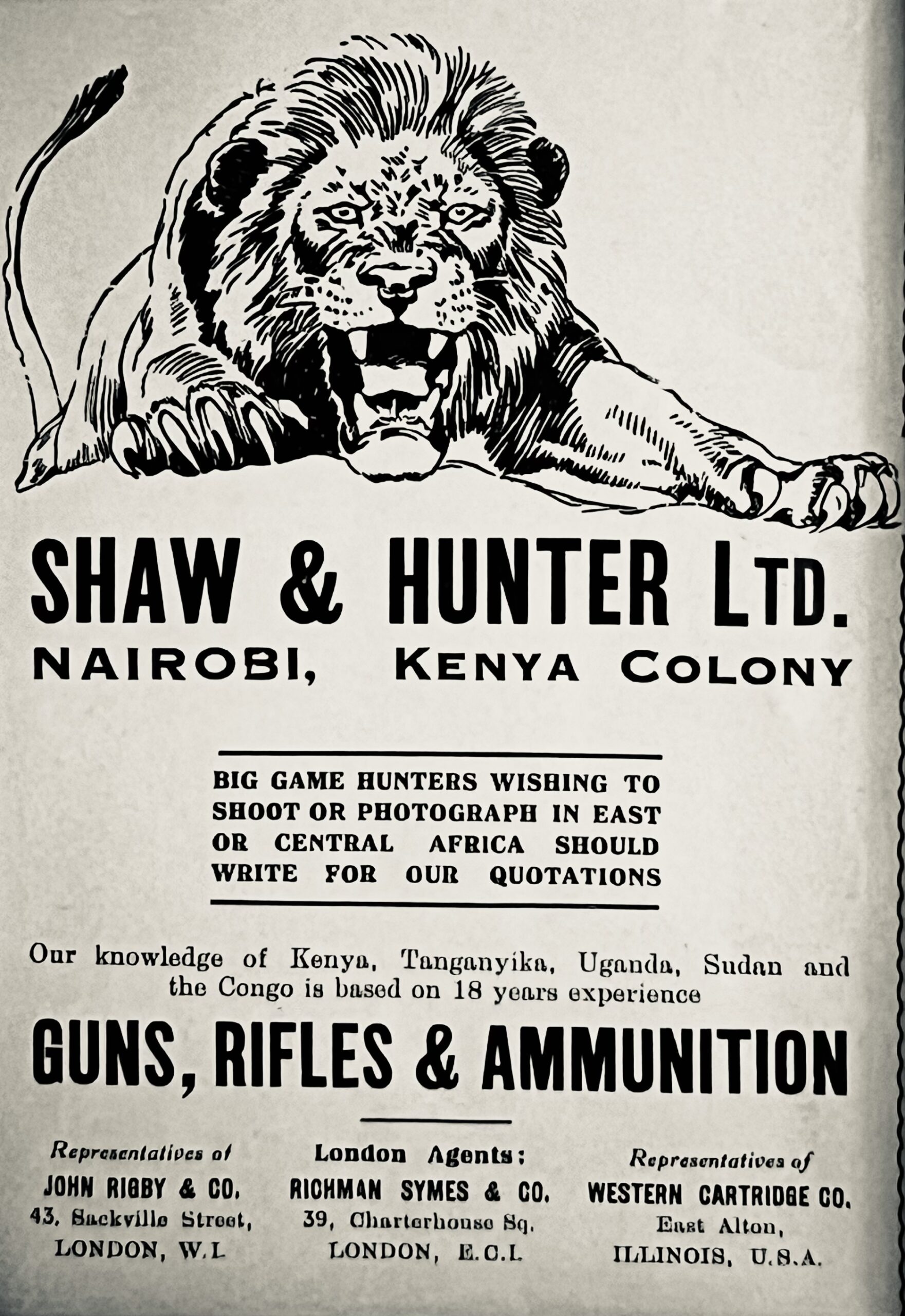
Shaw & Hunter was established in Nairobi in October 1921 and quickly became a well-known safari company based in the then Kenya Colony, a part of British East Africa. The company was initially formed by Mr. Rowland M. Shaw, a prominent gunsmith and recreational hunter, and Mrs. Hilda Hunter, the wife of the famous J.A Hunter, both passionate about wildlife conservation and the safari experience.
The company played a significant role in the early days of hunting tourism in East Africa.
Donald Ker, a well-known East African hunter, worked for Shaw and Hunter Ltd. prior to starting Ker and Downey Safaris in Arusha in Tanganyika.
Shaw and Hunter’s roots can be traced back to when safari tourism was becoming increasingly popular in East Africa and started to attract some of the then worlds celebrity names. The company was initially formed by Mr. Rowland M. Shaw, a prominent gunsmith and hunter, and Mrs. Hilda Hunter, the wife of the famous J.A Hunter, both passionate about wildlife conservation and the safari experience.
Heritage
Shaw and Hunter was also an integral part of the East African Professional Hunters Association (EAPHA) which emerged during the mid-20th century, at a time when safari hunting was both a major economic activity and a defining feature of East Africa’s international identity. Founded primarily in Kenya (with influence extending into Tanganyika, now Tanzania),
The association was established by experienced professional hunters who sought to formalise standards within what had previously been a loosely regulated industry. Its creation reflected a growing recognition that wildlife resources were finite and that the long-term viability of hunting depended on ethical practices, self-regulation, and cooperation with colonial game departments.
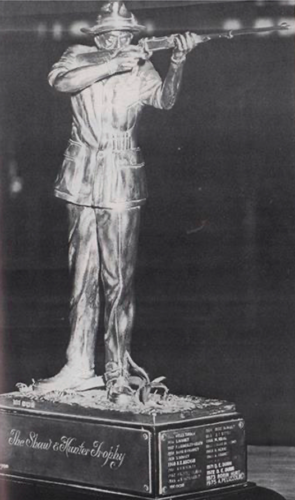
The creation of the Shaw & Hunter Trophy, which was presented annually by the EAPHA from 1955 to 1976 to the Professional Hunter who obtained in any year what was adjudged to be the finest trophy taken by a client. Famous names such as Donald Ker, whom the trophy was modelled from, Tony Seth-Smith and Robin Hurt have all been distinguished recipients of the trophy.
Hunting
Over the years, Shaw and Hunter expanded its operations, establishing itself as a reputable and trusted provider of hunting safari experiences in various East African countries, utilising only the very best Professional Hunters and staff to ensure the “golden era” of safaris is upheld in todays modern world.
Like many hunting safari companies, Shaw and Hunter today, as our predecessors, have a strong commitment to conservation and responsible hunting practices. The company prides its involvement in conservation initiatives aimed at protecting wildlife habitats, supporting local communities, and promoting sustainable hunting tourism development.
Legacy and Reputation: Shaw and Hunter has built a legacy and reputation for providing high-quality safari experiences characterised by excellent customer service, knowledgeable Professional Hunters and staff, and a deep respect for Africa’s wildlife and ecosystems.
Shaw and Hunter reflects the broader evolution of safari hunting tourism in Africa, characterising a blend of adventure, conservation, and cultural experiences that continue to attract travellers from around the world.
Our conservation efforts
Sustainable utilisation
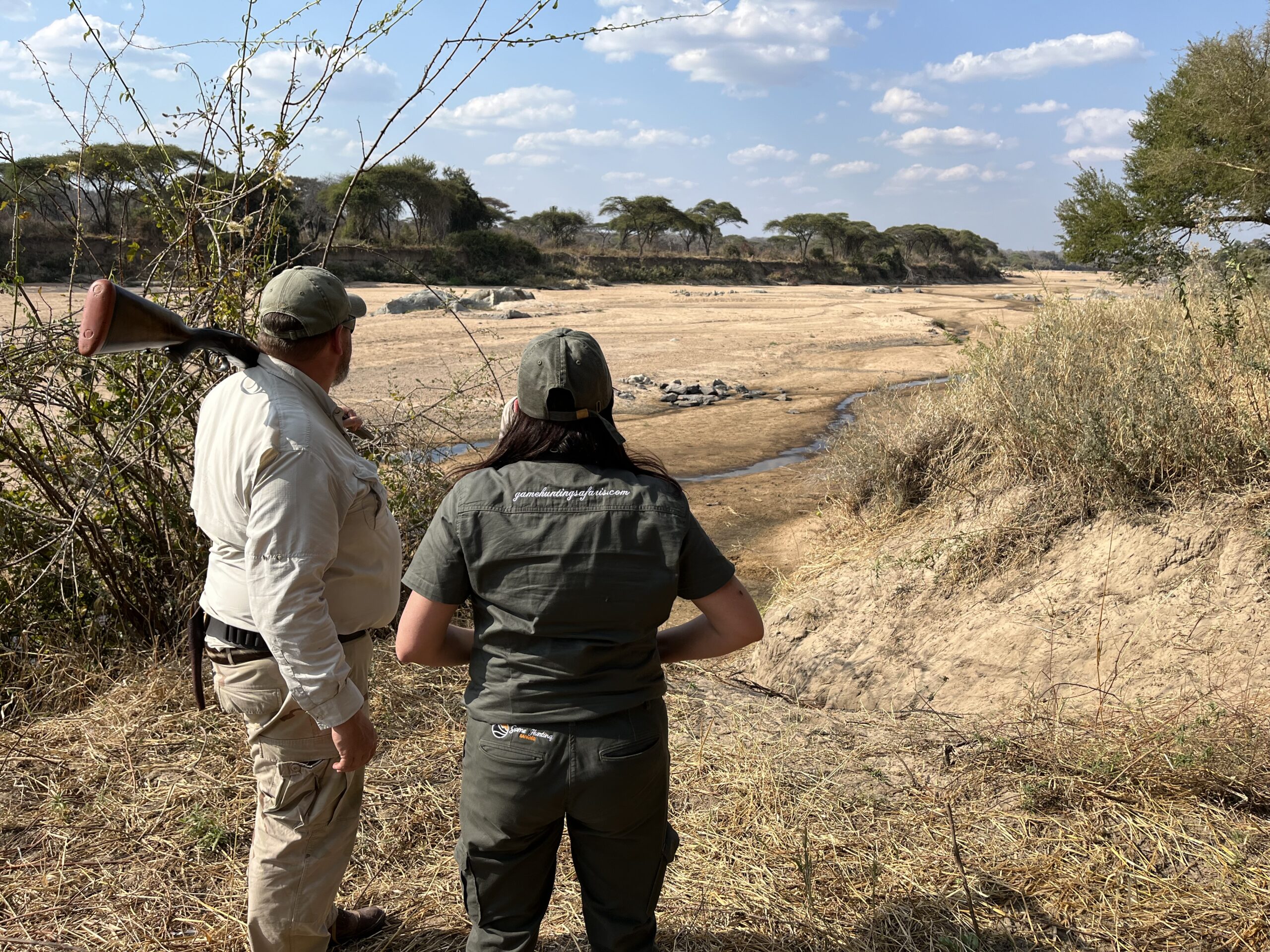
We regulate our hunting activities to ensure that only sustainable levels of wildlife are harvested.
Ethical Hunting
All our dedicated hunting staff follow strict principles and guidelines. Hunters do contribute to the conservation of wildlife, promote sustainable use of natural resources, and uphold ethical standards in hunting practices.
Rural economies
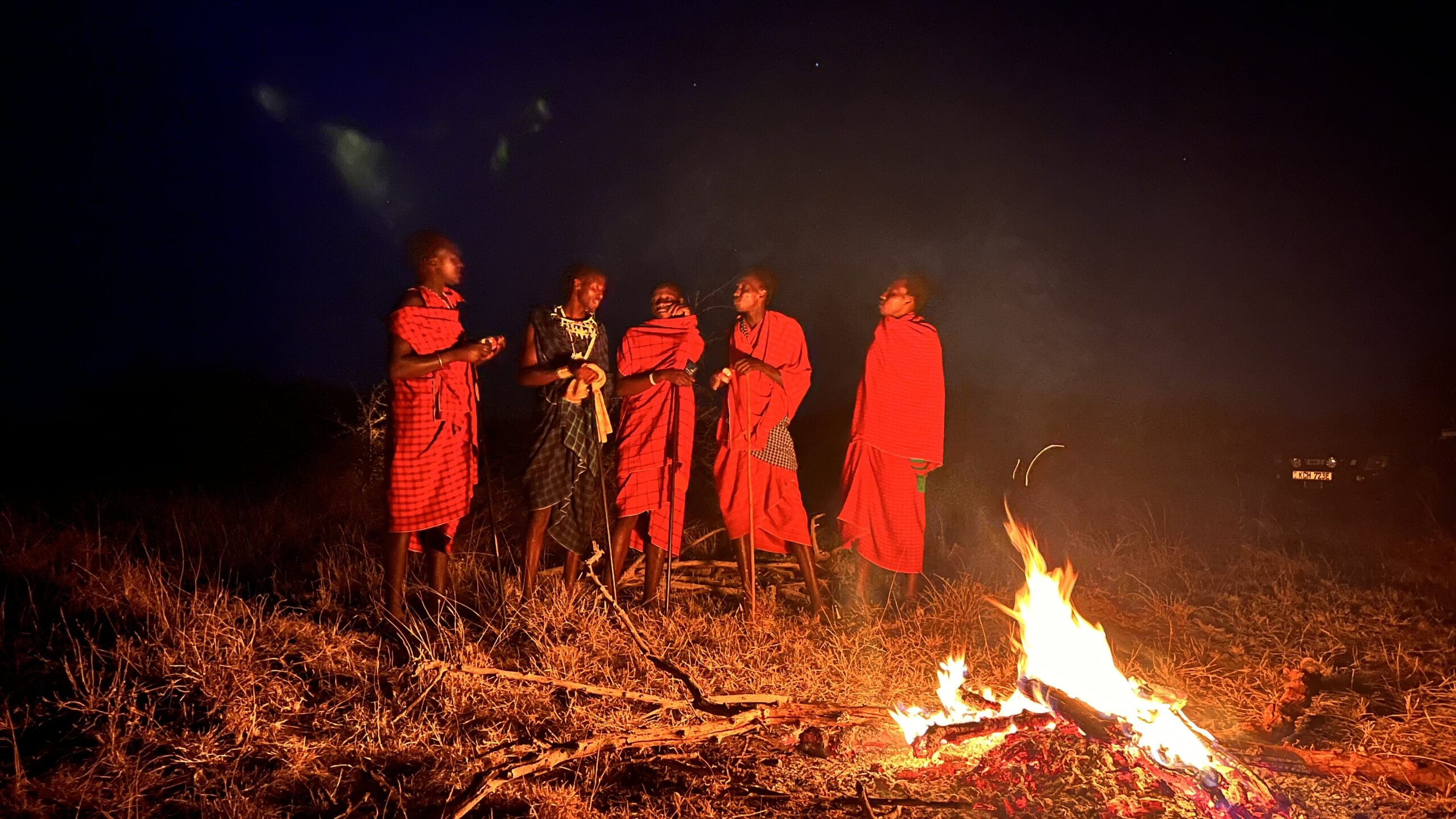
Our revenue generated contributes to wildlife conservation and management efforts throughout our hunting areas. These funds support habitat restoration, research, anti poaching efforts, and initiatives through employment that benefit both wildlife and rural communities.
Africa calls you!
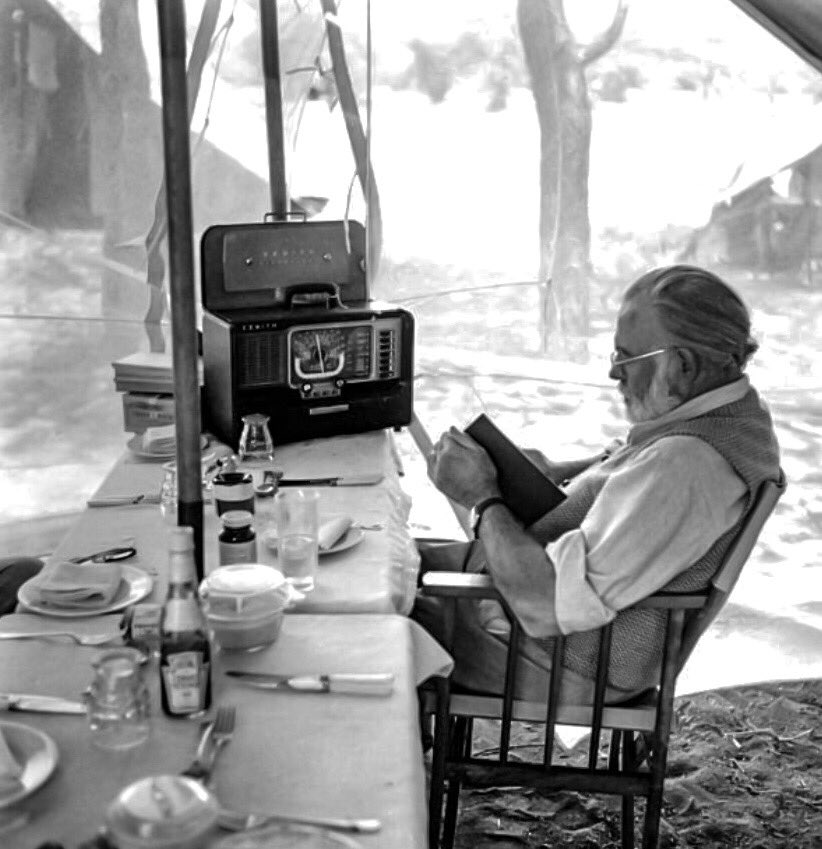
“I never knew of a morning in Africa when I woke up that I was not happy.”
Ernest Hemingway